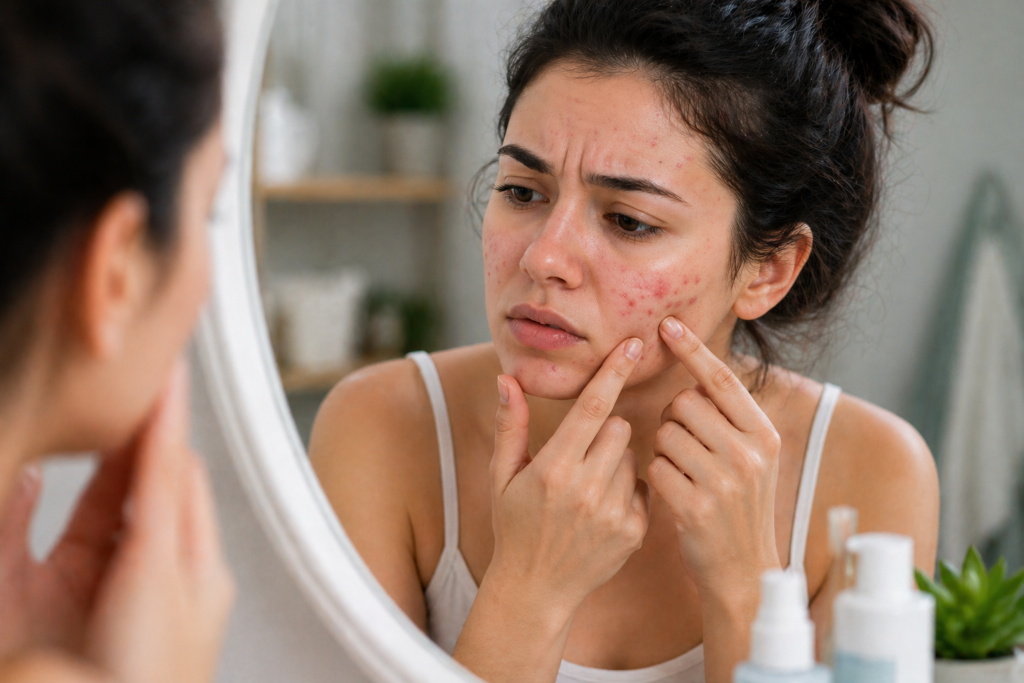
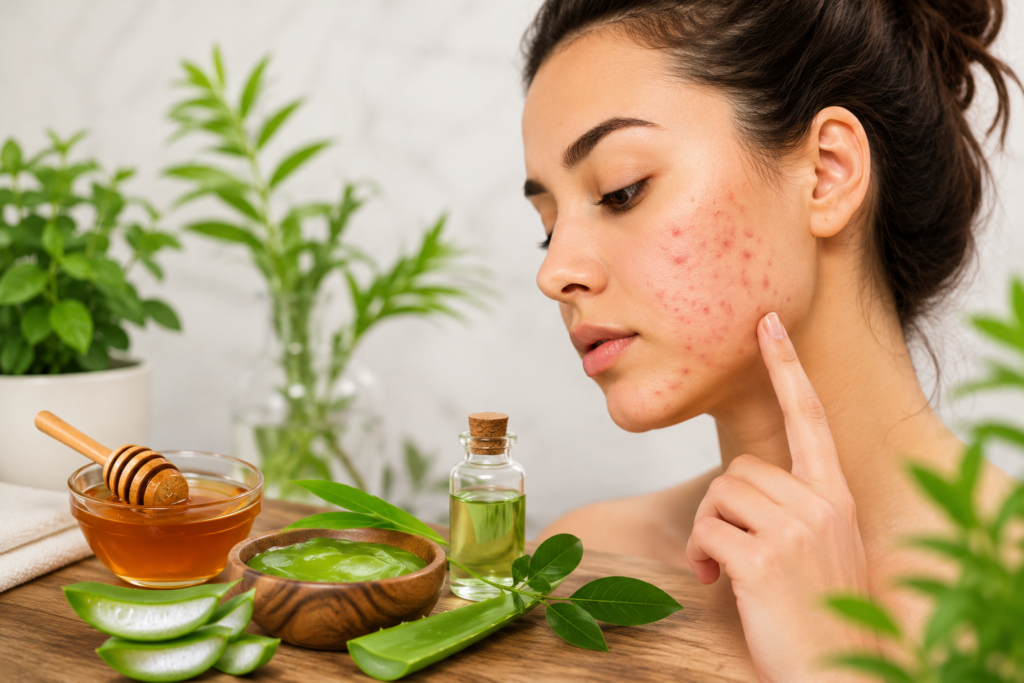
Hormonal Acne:
Hormonal acne is a very common skin issue that affects both teenagers and adults. It usually happens when changes in hormones make the skin produce extra oil. This extra oil can clog pores and lead to pimples, blackheads, whiteheads, and sometimes painful acne cysts.
In 2026, hormonal acne has become one of the most talked-about skincare topics around the world. More people are searching for easy, natural, and affordable ways to get clearer skin without spending too much money on expensive skincare treatments or products.
What Is Hormonal Acne?
Hormonal acne happens when changes in your hormones cause your skin to produce too much oil. This extra oil mixes with dirt, dead skin cells, and bacteria, which can clog pores and lead to pimples and breakouts.
This type of acne is most commonly seen on the:
- Chin
- Jawline
- Cheeks
- Neck
- Area around the mouth
Hormonal acne can affect people of all ages, including:
- Teenagers going through puberty
- Women during their menstrual cycle
- Pregnant women
- People dealing with stress
- Adults with hormonal imbalances
Common Signs of Hormonal Acne
Hormonal acne usually looks different from normal pimples. You may have hormonal acne if you often get painful, deep breakouts, especially around your jawline and chin. These pimples can keep coming back every month and are often linked to hormonal changes in the body. Many people also notice their skin becoming extra oily, with acne appearing red, swollen, and inflamed. Stress can also make hormonal acne worse and trigger more breakouts.
Main Causes of Hormonal Acne
1. Hormonal Changes
When hormone levels change, especially androgen hormones, the skin can start producing extra oil. This excess oil can clog pores and lead to acne breakouts.
2. Stress
High stress levels may increase the production of cortisol, often called the stress hormone. This can make acne worse and cause more frequent pimples.
3. Unhealthy Diet
Eating too much sugary food, fast food, or dairy products may trigger acne in some people. A balanced diet can help support clearer skin.
4. Poor Sleep
Not getting enough sleep can disturb hormone balance and affect overall skin health, which may lead to more breakouts.
5. Using the Wrong Skincare Products
Heavy, greasy, or oily skincare products can block pores and make acne worse, especially for people with oily or acne-prone skin.
Natural Ways To Treat Hormonal Acne at Home
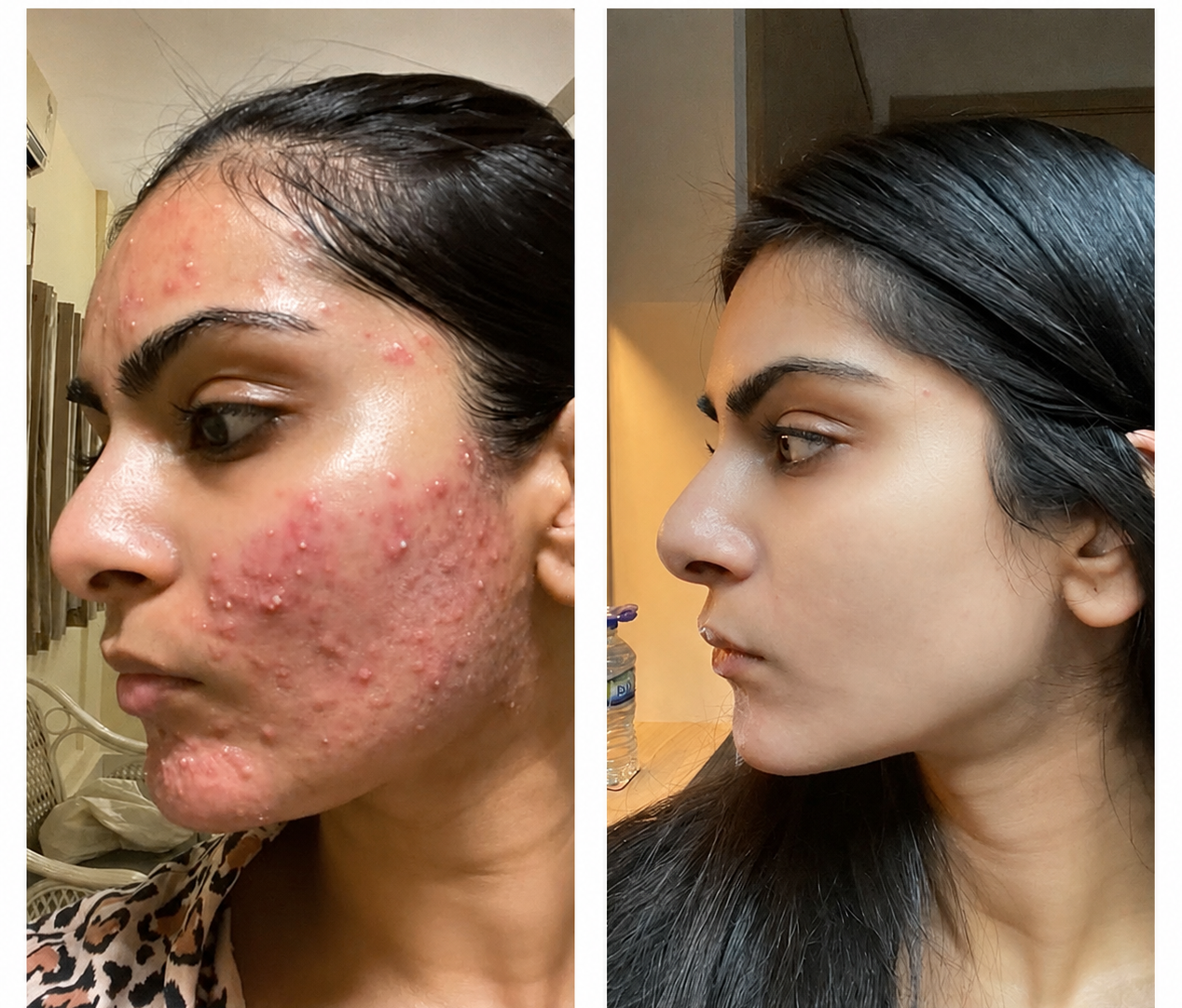
Many people choose natural remedies because they’re easy to use, budget-friendly, and usually kinder to the skin.
1. Drink More Water
Drinking enough water every day helps your body flush out toxins and keeps your skin fresh and hydrated. When your skin stays hydrated, it may help reduce dryness and irritation caused by acne.
Try to drink around 8–10 glasses of water daily
2. Use a Honey and Cinnamon Face Mask
Honey is naturally antibacterial, and cinnamon may help calm redness and inflammation caused by pimples.
How to Use:
- Mix 1 tablespoon of honey with a small pinch of cinnamon
- Apply the mixture to your face
- Leave it on for 10–15 minutes
- Wash your face with lukewarm water
For best results, use this mask twice a week.
3. Apply Aloe Vera Gel
Aloe vera is well known for soothing irritated and sensitive skin. It can help calm acne-prone skin naturally.
Benefits of Aloe Vera:
- Reduces redness
- Soothes inflammation
- Keeps skin moisturized
Apply fresh aloe vera gel to your face every night before sleeping.
4. Use Green Tea for Acne
Green tea is packed with antioxidants that may help reduce excess oil production and support clearer skin.
You Can:
- Drink green tea daily
- Or apply cooled green tea to your face using cotton
This simple habit may help improve skin over time.
5. Try Ice Therapy
Ice can help reduce swelling, redness, and irritation from acne quickly.
How to Use:
- Wrap an ice cube in a clean cloth
- Gently apply it to the pimple for about 1 minute
Avoid placing ice directly on your skin, as it can cause irritation.
6. Eat Foods That Support Healthy Skin
Your diet plays a big role in skin health. Eating healthy foods may help control hormonal acne naturally.
Best Foods for Acne-Prone Skin:
- Fresh fruits
- Green vegetables
- Nuts and seeds
- Protein-rich foods
Try to Avoid:
- Too much sugar
- Soft drinks
- Oily and junk foods
7. Get Proper Sleep
Good sleep helps your body recover and keeps hormones balanced, which may help reduce acne breakouts.
Try to sleep for at least 7–8 hours every night.
8. Reduce Stress Levels
Stress is one of the common causes of hormonal acne. Managing stress may help prevent sudden breakouts.
Helpful Activities:
- Walking
- Meditation
- Exercise
- Listening to relaxing music
Even small daily habits can make a difference.
9. Use Tea Tree Oil Carefully
Tea tree oil is popular for its antibacterial properties and may help dry out pimples naturally.
Important:
Always dilute tea tree oil before applying it to the skin.
Example Mixture:
- 1 drop tea tree oil
- 2–3 drops coconut oil
Apply only to pimples, not the entire face.
10. Follow a Simple Skincare Routine
Using too many skincare products can sometimes irritate the skin even more. A simple and gentle routine usually works best.
Basic Skincare Routine:
- Gentle face wash
- Lightweight moisturizer
- Sunscreen during the day
- Proper cleansing at night
Consistency is more important than using expensive products.
Foods That May Help Hormonal Acne
| Good Foods | Foods To Limit |
| Green vegetables | Sugary snacks |
| Fruits | Soft drinks |
| Nuts & seeds | Fast food |
| Green tea | Excess dairy |
| Whole grains | Fried foods |
Can Hormonal Acne Go Away Naturally?
In many cases, mild hormonal acne can get better naturally if you follow healthy daily habits. Eating a balanced diet, getting enough sleep, reducing stress, and using the right skincare products can all help improve your skin over time. The key is to stay consistent and patient. However, if the acne is severe, painful, or keeps getting worse, it’s best to consult a dermatologist for proper treatment.